
I hear the same story from BC organizations over and over. They invest in workplace conflict training. Everyone shows up and does the exercises. Everyone leaves with materials that promise better communication. A few weeks later, the same disputes are happening. The same people avoid each other. The same frustrations build up.
“We tried training,” they tell me. “It didn’t work.”
Here’s what most organizations don’t realize: research from CPP Global shows that while 95% of employees who received conflict training found it helpful, many organizations still struggle with lasting behavior change. We’re not just talking about wasted budget. We’re talking about missed chances to actually fix the problems causing conflict in your workplace.
Most workplace conflict training fails for three specific reasons. The good news? Once you understand why old approaches don’t work, you can choose training that actually creates lasting change for your BC team.
This article eaks down the three reasons most workplace conflict training fails Canadian organizations. It also introduces the Insight Approach that addresses root causes rather than surface symptoms. We’ll look at why traditional compromise-focused methods miss the mark. We’ll explore what actually drives lasting conflict resolution in BC workplaces. And we’ll show you how to pick training approaches that deliver real results for your team.
The Compromise Trap: Why “Meeting in the Middle” Doesn’t Resolve Workplace Disputes

Let’s start with the most common problem behind training failures in Canadian workplaces: the compromise approach.
The Problem with Finding Middle Ground
Most conflict resolution training teaches people to find middle ground. Split the difference. Meet halfway. Both sides give a little. Both sides get a little. Sounds fair, right?
The problem is that compromise assumes both parties’ interests are equally valid. It never looks at what’s actually causing the conflict. It focuses on what people want. Not why the conflict exists in your workplace in the first place.
Why Surface Solutions Don’t Last
Here’s what this looks like in real BC teams: Two employees argue over project timelines. Traditional training would help them negotiate a timeline somewhere in the middle of what each person wanted. Everyone shakes hands. Case closed.
Except three weeks later, they’re arguing about timelines again. Why? Because the real issue was never about the timeline. It was about unclear role definitions. One person thought they were leading the project. The other thought they were. The timeline dispute was just the symptom.
Compromise-based training treats symptoms. It doesn’t identify root causes. Both parties often walk away feeling unsatisfied. Their actual concerns were never addressed. They just agreed to something neither of them really wanted.
Strategic Curiosity as an Alternative
The Insight Approach takes a different path. Strategic curiosity asks deeper questions before jumping to solutions. Why is this conflict happening? What’s really driving this disagreement? What problems in our team or processes are creating these tensions?
When you dig into the root cause first, you often discover something important. The surface-level dispute isn’t the real problem at all. And once you understand what’s actually happening, you can address it properly. Instead of just covering it up with compromise.
One-Size-Fits-All Training Ignores Your Canadian Team’s Unique Dynamics

Even when BC organizations move past compromise-focused methods, another obstacle emerges. Generic training programs that don’t account for your specific workplace reality.
The Generic Training Problem
Off-the-shelf programs teach universal techniques. They’re designed to work for any team, anywhere. The problem? Your team isn’t “any team.” BC Interior businesses have different communication patterns than Vancouver corporate offices. Your workplace culture is different from the company down the street. And imported training models designed for US corporate environments often miss the details of Canadian workplace dynamics.
I’ve watched teams sit through training where every example feels disconnected from their daily experience. The trainer talks about conflicts that don’t match what actually happens in their meetings. The scenarios feel theoretical. And when people can’t see themselves in the training, they mentally check out.
What Customization Actually Looks Like
Effective workplace conflict training for Canadian organizations requires understanding specific team dynamics before designing curriculum. What are the actual communication eakdowns happening in your workplace? Where do conflicts typically start? What’s your team’s particular stress points?
Pre-training needs assessment identifies real conflict patterns in your BC workplace. Instead of teaching solutions to problems you don’t have. Customized approaches address your team’s specific challenges. With examples they actually recognize.
Here’s what that looks like in practice:
Training Program Comparison
| Features | Generic Training | Customized Training for Canadian Teams |
|---|---|---|
| Curriculum | Standard curriculum for all clients | Pre-training assessment of your team’s specific dynamics |
| Examples | Theoretical examples from unknown workplaces | Scenarios based on conflicts common in your organization |
| Follow-up | One-time session with no follow-up | Built-in touchpoints tailored to your team’s needs |
The difference isn’t just about feeling seen. It’s about learning skills you can actually apply to the conflicts you’re actually having.
Explore workplace conflict training courses for Canadian teams
The Follow-Up Gap: Why Learning Fades After One-Day Workshops
Customized training solves the relevance problem for your team. But there’s still a retention challenge that most organizations overlook.
The 30-Day Fade
According to research on the forgetting curve, people forget approximately 70% of new information within 24 hours without reinforcement. Think about that. You invest thousands of dollars and a full day of your team’s time. And within a month, most of what they learned has faded.
One-day workshops create awareness. They introduce concepts. They give people that initial “aha” moment. But they don’t build lasting habits for BC teams. Because habits require repetition and practice over time.
Why Old Patterns Return
I see this pattern constantly. Organizations ing me in for a training session. Everyone’s engaged. Asking great questions. Trying out the techniques. Then life gets busy. Old communication patterns creep back in. The new approaches feel awkward. Or get forgotten in the moment. And slowly, everything reverts to how it was before.
Building in Reinforcement
Effective programs include post-training touchpoints that keep the learning alive. Manager coaching guides so supervisors can reinforce the skills. Team check-ins to practice applying what they learned. Follow-up sessions where people can troubleshoot challenges they’ve encountered.
Canadian organizations that schedule 30-day and 90-day follow-ups see significantly better behavior change in team dynamics. Even ief reinforcement makes a difference. A 15-minute team huddle where you practice one technique from the training. A quick email reminder about the framework. Simple touchpoints that keep the skills front of mind.
5 Low-Cost Follow-Up Strategies That Reinforce Training for BC Teams:
- Weekly team check-ins where one person shares how they used a technique from the training
- Manager prompts to remind team members about frameworks during actual conflicts
- 30-day practice session where the team works through a real current challenge together
- Peer accountability partners who check in with each other about applying new skills
- Visual reminders posted in meeting spaces with key frameworks or questions
The training itself isn’t the problem. The lack of reinforcement after training is what causes skills to fade.
BC Interior organizations: Looking for conflict training with built-in follow-up? Our 16-hour Immersive Course includes customized, coached role-plays for your team’s real challenges. Learn about our courses
Role-Play Resistance: When Practice Scenarios Feel Irrelevant to Your Workplace
Follow-up helps Canadian teams retain skills. Yet there’s one more training element that frequently misses the mark. How people actually practice the techniques.
The Generic Scenario Problem
Most workplace conflict training includes role-plays. The trainer presents a scenario. Assigns roles. And asks people to practice the techniques. In theory, this makes sense. Practice builds confidence. Repetition creates muscle memory.
But here’s what actually happens in many training sessions: The trainer says “Imagine you’re arguing about office resources” or “Pretend your coworker missed a deadline.” People awkwardly stumble through scripted exchanges that feel nothing like their real conflicts. They’re polite because it’s training. They follow the script because that’s what’s expected. And they learn exactly nothing about handling actual workplace disputes.
What Makes Practice Effective
Generic role-play scenarios feel artificial to BC teams. Canadian professionals learn best when training connects directly to their daily workplace challenges. Not theoretical situations they’ve never encountered.
Effective training uses real conflicts from similar Canadian organizations. Or anonymized examples from your team’s history. The scenarios reflect actual communication patterns. Real power dynamics. And genuine tensions people recognize.
Coached role-plays with feedback help BC professionals practice frameworks in realistic scenarios. The trainer doesn’t just watch and move on. They pause. Point out what’s working. Suggest adjustments. Let people try again. This kind of practice is low-stakes enough to encourage experimentation. But realistic enough to build confidence for actual workplace situations.
Characteristics of effective role-plays for Canadian teams:
- Connected to real workplace scenarios your team recognizes
- Coached with immediate, constructive feedback
- Practice applying specific frameworks, not just “communicate better”
- Low-stakes environment where it’s safe to make mistakes
When I work with BC clients, we spend time in pre-training discovery. Understanding their specific conflict patterns. Then the coached role-plays during training reflect situations they’ve actually experienced. People practice handling conversations they know they’ll need to have. That’s when the learning sticks.
The Insight Approach: Getting to the Root of Workplace Conflict in Canadian Organizations
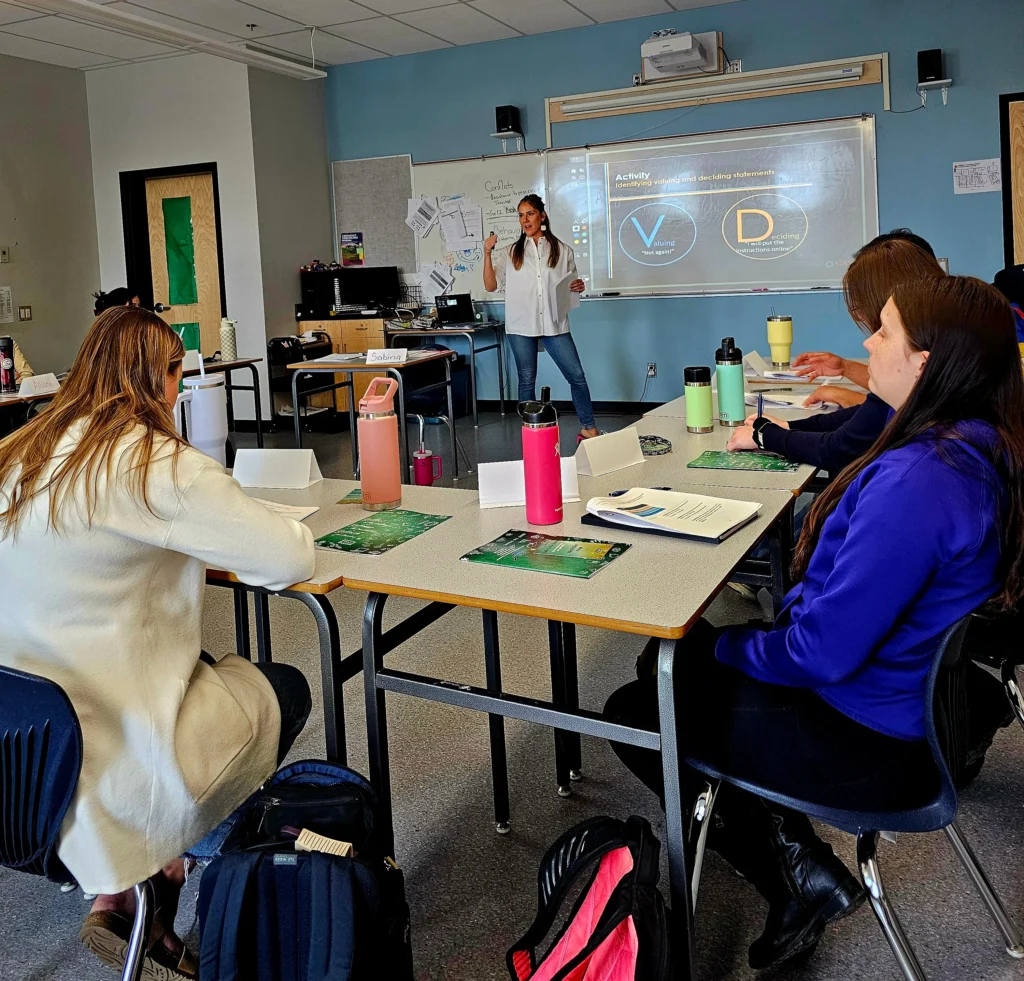
So what does effective conflict training actually look like for BC organizations? Here’s the approach that addresses all four failure points we’ve covered.
Starting with Strategic Curiosity
The Insight Approach asks “why” before teaching “how” to resolve conflicts in your BC workplace. Instead of jumping straight to techniques and scripts, we start with strategic curiosity. To uncover what’s really happening.
Strategic curiosity means digging beneath surface-level disputes. To identify systemic issues in Canadian teams. Unclear processes that create confusion. Misaligned expectations nobody’s talked about. Communication gaps that let assumptions fill the void. These are the root causes that keep conflicts cycling back. Even after people “resolve” them.
Practical Frameworks That Work
The method focuses on root cause identification. Rather than symptom management. When your team understands why conflicts are happening, they can address the actual problems. Instead of just negotiating compromises that nobody’s happy with.
The 3-step framework helps Canadian professionals stay grounded in tense moments. And respond with clarity instead of anxiety. It’s practical. Memorable. And applies to both small disagreements and major workplace disputes. BC organizations benefit from locally-delivered training in Kamloops. That understands regional workplace dynamics and Canadian team culture.
Prevention Over Crisis Management
This approach works for both conflict prevention and active dispute resolution. Most of the time, organizations contact me for professional development. Not crisis management. They want to build their team’s capacity to handle conflict before it escalates. Not just fix problems after they’ve blown up.
Traditional Training vs. The Insight Approach: What BC Teams Experience
- Focus: Surface symptoms vs. Root causes
- Method: Scripted techniques vs. Strategic curiosity and 3-step framework
- Practice: Generic role-plays vs. Coached role-plays with your team’s real challenges
- Outcome: Temporary awareness vs. Lasting behavioral change and reduced workplace stress
Ready to explore conflict training that addresses your Canadian team’s specific challenges? Organizations in Kamloops, Kelowna, and throughout the BC Interior choose locally-delivered courses. That understand Canadian workplace dynamics and build real conflict resolution skills.
Conclusion
Workplace conflict training doesn’t have to be another line item in your professional development budget that produces no results. When you understand why traditional approaches fail, you can choose training that actually works for your BC team.
The four failure points we’ve covered aren’t set in stone. Compromise-focused methods. Generic one-size-fits-all programs. Lack of follow-up reinforcement. And irrelevant practice scenarios. These aren’t inevitable. They’re choices. And you can choose differently.
Effective workplace conflict training for Canadian organizations starts with curiosity. About what’s really happening in your workplace. It’s customized to your team’s specific dynamics. It includes follow-up to help skills stick. And it uses coached role-plays that reflect real situations your people actually face.
When training addresses root causes instead of just surface symptoms, something shifts. Your team doesn’t just learn techniques. They develop genuine capacity to handle conflict. In ways that strengthen relationships instead of damaging them.
Ready to move beyond generic conflict training?
CCAICR delivers customized workplace training in Kamloops and throughout the BC Interior. Our Insight Approach helps Canadian teams get curious under pressure. Uncover what’s driving conflict. And respond with clarity instead of anxiety.
Choose from 4-hour Intro, 8-hour Standard, or 16-hour Immersive courses. With hands-on practice and coached role-plays tailored to your team’s real challenges.
Schedule a consultation to discuss your team’s specific needs. Or call +1 416-844-6995 for immediate questions.
Serving Kamloops, Kelowna, Okanagan, and the BC Interior with in-person and virtual training options.
Explore More
Ready to move beyond training that does not stick? See how our conflict resolution training in BC applies the Insight Approach, or owse our conflict resolution courses for in-person and online options. HR leaders can also explore our HR conflict resolution training in BC. For the full breakdown of what actually works, see our workplace conflict training in BC & Canada.
